India’s 20% ethanol blending programme aims to improve energy security, but questions remain over fuel efficiency, costs, crude imports and agricultural resources.
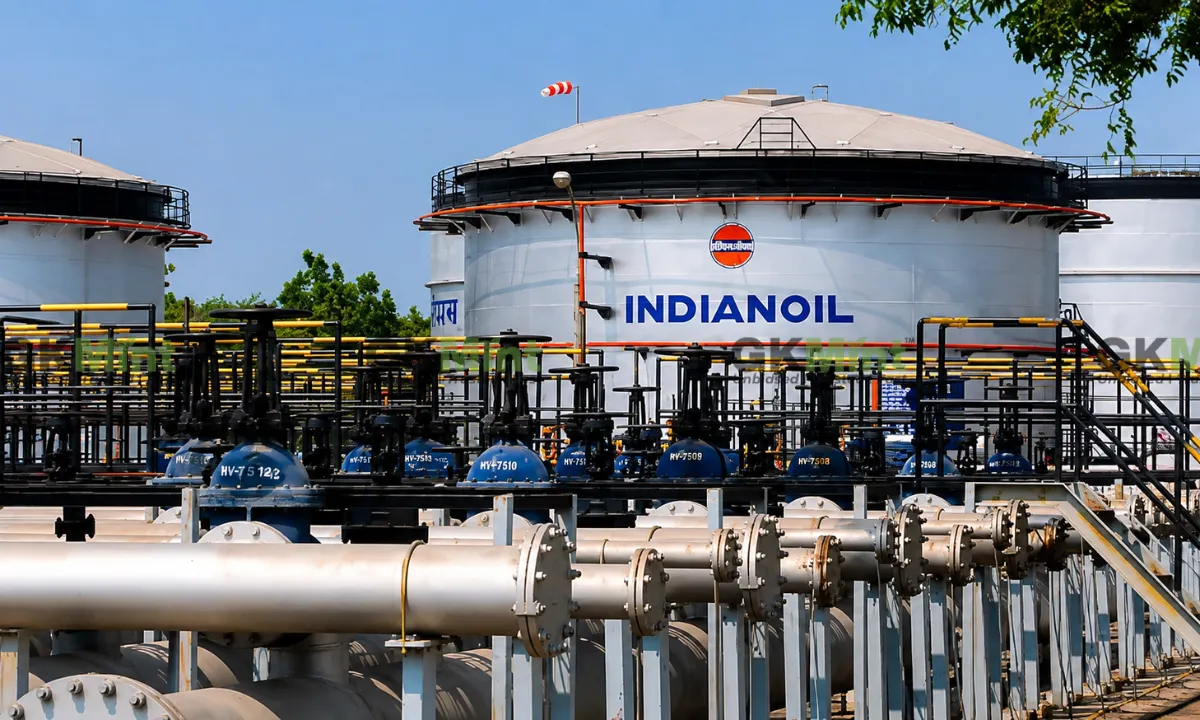
India’s petrol ethanol blending programme has reached the 20% level, making E20 the standard petrol blend supplied nationwide. The government says the Ethanol Blended Petrol programme is intended to strengthen energy security, reduce dependence on imported crude oil, support farmers and promote domestically produced renewable fuel. India achieved the 20% blending target in the 2025-26 ethanol supply year, five years ahead of the original schedule.
The policy is significant because India remains heavily dependent on overseas crude supplies. Government data says the ethanol programme has already substituted nearly 316 lakh metric tonnes of crude oil and generated foreign-exchange savings of more than ₹1.97 lakh crore. However, recent analysis of oil consumption and import data indicates that higher ethanol blending has not resulted in a corresponding fall in overall crude imports, as rising domestic fuel demand has continued to keep import requirements high.

Another issue surrounding petrol ethanol blending is fuel efficiency. E20 contains 20% ethanol and 80% petrol, and ethanol has a lower energy content than petrol. Government and automobile-industry studies cited in Parliament indicate that fuel efficiency can decline by around 2% to 6%, depending on the vehicle category and age. At the same time, testing has not found widespread engine failures attributable to specification-compliant E20 fuel.
The economics of petrol ethanol blending also depend on international crude prices. The government has stated that maize-based ethanol is currently procured at about ₹71.86 per litre before additional costs such as GST, transportation and storage. According to a recent government clarification, E20 can be costlier to produce than pure petrol when crude oil is around $70 per barrel, while ethanol becomes comparatively cheaper when crude prices rise to roughly $120-$130 per barrel or higher.
The expansion of ethanol production has also increased attention on agricultural supply. Maize has become an important feedstock for ethanol, and the area under maize cultivation has expanded significantly in recent years. Agriculture data cited in reporting showed a sharp rise in maize acreage during the 2025-26 kharif season, prompting discussions about the balance between ethanol feedstock, food, animal feed and other agricultural requirements.
Water use and resource allocation are additional considerations in the wider petrol ethanol debate. Ethanol production can involve substantial agricultural and industrial resource requirements, although the exact water footprint varies according to the feedstock, cultivation method, location and production process. Therefore, assessments of the programme need to consider not only fuel substitution but also agricultural demand, production costs and resource availability.
Overall, petrol ethanol blending is being pursued as part of India’s broader energy-security strategy, with the government highlighting foreign-exchange savings, domestic fuel production and environmental benefits. At the same time, the continued dependence on crude imports, changes in vehicle fuel efficiency and the growing demand for ethanol feedstocks remain important factors in evaluating the programme. The long-term impact of E20 will depend on how these economic, automotive, agricultural and energy considerations develop together.
Official Website: https://mopng.gov.in/en