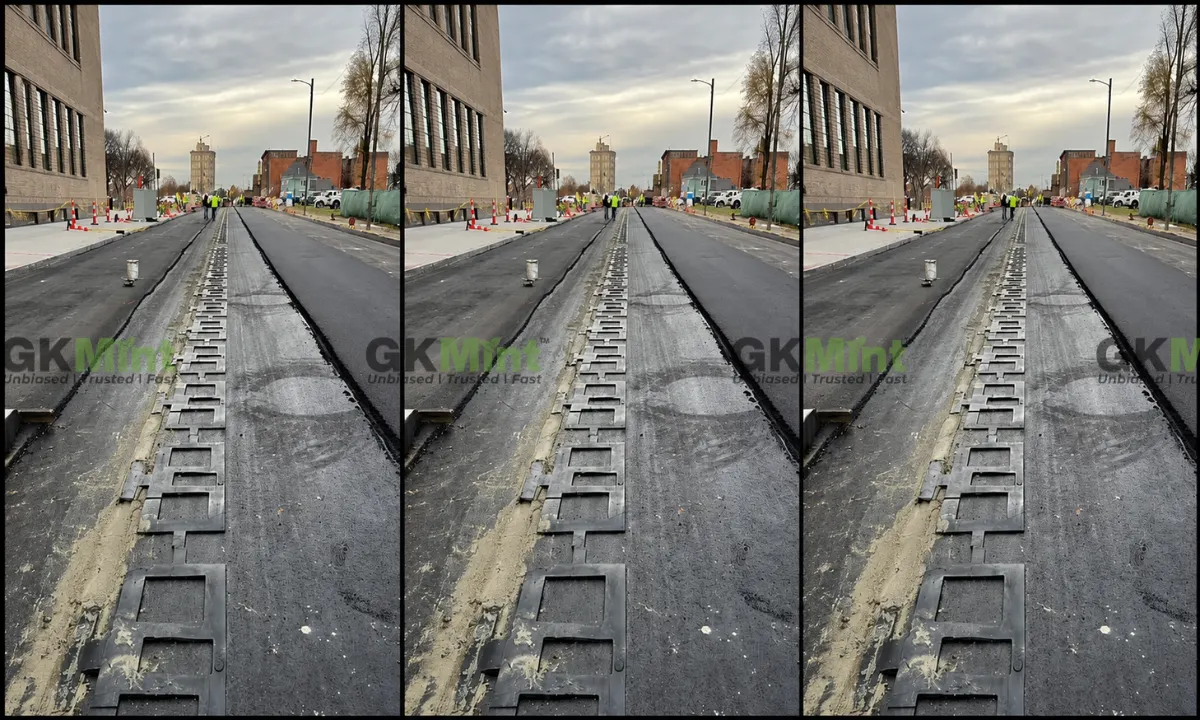
Researchers are testing road-embedded wireless charging systems that could allow electric cars to receive power while moving.
A new approach to charging electric cars is being tested in Germany, where researchers are developing road infrastructure capable of transferring electricity to vehicles while they are moving. The technology is designed to reduce dependence on stationary charging points and could eventually support longer-distance electric mobility.
The system uses electromagnetic coils installed beneath the road surface. According to the information available on the technology, around 60 coils can be positioned approximately 12 centimetres below the asphalt. When a compatible vehicle travels over the equipped section, electricity can be transferred wirelessly from the roadway to its battery.
The development addresses one of the practical challenges associated with electric cars: access to convenient charging. Unlike petrol and diesel vehicles, electric cars generally need dedicated charging infrastructure when their stored energy is depleted. Wireless charging embedded into roads could allow vehicles to receive additional power without stopping at a conventional charging station.

Testing has indicated that the system can transfer more than 80 percent of the required electrical energy to a vehicle even when it is travelling at speeds between 80 and 120 kilometres per hour. The technology relies on electromagnetic power transfer and requires vehicles equipped with compatible charging systems.
A German private company is involved in producing the specialised coils required for the system. The technology is particularly being considered for major roads and routes carrying substantial freight traffic. Such infrastructure could eventually be useful for electric cars as well as commercial vehicles that cover long distances and require frequent access to energy.
Wireless charging is also attracting interest from companies developing autonomous vehicles because the system removes the need for drivers or automated systems to connect a physical charging cable. However, the technology remains in the experimental stage, and its wider deployment would require substantial infrastructure development and compatibility between roads and vehicles.
For electric cars, charging roads could represent a significant change in how energy is supplied during journeys. However, large-scale implementation is expected to require further testing, infrastructure investment and technical standardisation. It may therefore take several years before moving wireless charging becomes widely available across countries.
Source: Electreon