Nuclear-assisted thermal cycles offer an uninterrupted alternative to weather-dependent green fuel generation at Kalpakkam.
Indian atomic energy researchers have successfully demonstrated an innovative method to manufacture zero-emission hydrogen by utilizing surplus thermal energy from nuclear operations. The pioneering project was carried out at the Indira Gandhi Centre for Atomic Research located in kalpakkam, Tamil Nadu. By converting high-temperature thermal discharge into a usable chemical asset, the initiative provides a practical pathway to minimize energy loss in heavy nuclear infrastructure while opening new avenues for clean fuel development.
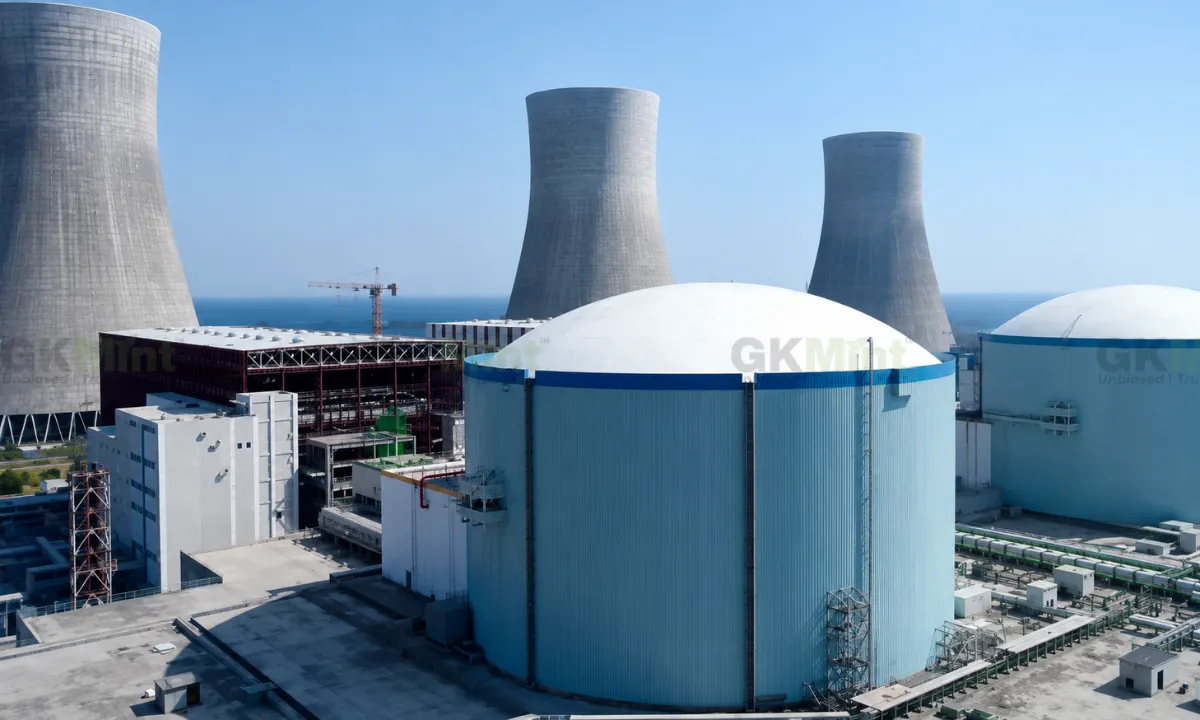
The technical breakthrough relied on process heat generated by the Fast Breeder Test Reactor stationed at the kalpakkam facility. Working in close coordination with the Mumbai-based Bhabha Atomic Research Centre, research teams directed thermal output ranging between 500 and 550 degrees Celsius into a specialized thermochemical water-splitting cycle. This closed-loop chemical mechanism enables the separation of hydrogen from water at significantly lower temperature thresholds than traditional single-step thermal dissociation, circumventing the need for heavy electricity consumption.
Conventionally, clean hydrogen relies heavily on electrolysis powered by renewable sources like solar arrays and wind turbines. While environmentally sound, these sources face operational disruptions during overcast days or calm weather conditions. By contrast, atomic installations maintain stable base-load operations continuously throughout the year. Establishing this chemical process at the coastal complex in kalpakkam demonstrates that industrial reactors can supply an uninterrupted energy feed to sustain continuous hydrogen synthesis around the clock.
Atomic energy authorities noted that the project represents an important proof of concept for non-electric nuclear applications. Rather than venting surplus heat into cooling systems, capturing thermal flows creates a secondary value stream for high-temperature reactors. Technical documentation indicates that the chemical agents utilized during the splitting phases are fully regenerated within the closed loop, leaving water as the sole primary feedstock and producing zero direct greenhouse gas emissions.
This technological advance holds substantial promise for energy-intensive sectors, including steel production, fertilizer manufacturing, and commercial transport networks that currently rely on fossil fuels. Integrating clean hydrogen manufacturing directly with nuclear power generation offers industrial hubs a scalable method to decarbonize operations without straining local electric grids. Energy planners view this localized success as a crucial step toward establishing domestic energy independence and achieving long-term climate targets.
The successful trial at kalpakkam positions nuclear thermal integration as a competitive alternative in next-generation fuel synthesis. As research institutions analyze operational data from the initial runs, future efforts will concentrate on scaling the reactor-coupled design for broader deployment across commercial atomic stations. The ongoing development highlights how existing nuclear assets can be adapted to play an active role in global decarbonization strategies.
For further visual context on this development, watch World First in Clean Energy! India Makes Hydrogen Using Nuclear.