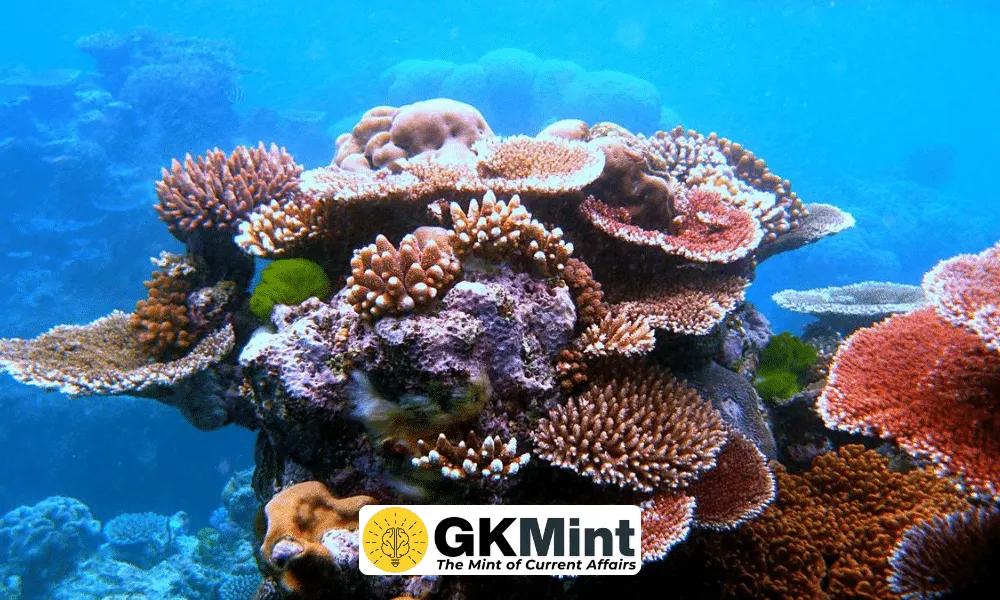
The world’s coral reefs — vibrant underwater ecosystems — are under severe threat. Rising sea temperatures and repeated bleaching events are destroying these vital habitats at alarming rates. Between 2009 and 2018, the planet lost 14% of its coral cover, underscoring an urgent need for intervention.
To fight this decline, the Philippines has launched Southeast Asia’s first coral larvae cryobank. This milestone project preserves coral genetics and helps secure the long-term survival of reefs in the Coral Triangle.
The Coral Larvae Cryobank Initiative
Developed by the University of the Philippines Marine Science Institute, the Coral Larvae Cryobank acts as a genetic seed vault for corals. Its mission is to store coral genetic material, restore damaged reefs, and maintain biodiversity.
This initiative is part of a regional conservation network. The Philippines, Taiwan, Indonesia, Malaysia, and Thailand are working together to set up interconnected cryobanks across the Coral Triangle.
The program currently focuses on model species such as pocilloporid corals, Acropora, and Galaxea, known for their crucial role in reef recovery. Once successful cryopreservation protocols are developed for these species, the project will expand to include endangered corals.
Cryopreservation: Freezing Coral Life at –196°C
At the heart of the initiative is cryopreservation, the process of preserving living cells or tissues at –196°C using liquid nitrogen. This technique effectively halts biological activity, preserving coral larvae in a suspended state for future restoration efforts.
The method uses vitrification, which follows four precise steps:
- Collection & Cryoprotection: Scientists collect coral larvae during spawning events and treat them with cryoprotectants such as glycerol or ethylene glycol to prevent ice formation.
- Rapid Freezing: They then plunge the protected larvae into liquid nitrogen, turning them into a glass-like state.
- Revival: Scientists use laser-based rapid warming to thaw the frozen samples within seconds, avoiding cellular damage.
- Reintroduction: They gradually re-acclimatize the revived larvae in seawater and cultivate them under controlled conditions.
Through this innovative process, scientists can preserve coral genetic material for decades, supporting future reef restoration, adaptive breeding, and climate-resilient research.
The Coral Triangle: The Amazon of the Seas
The Coral Triangle, known as the “Amazon of the Seas,” covers about 6 million square kilometers across Indonesia, Malaysia, the Philippines, Papua New Guinea, the Solomon Islands, and Timor-Leste.
It is the world’s most biodiverse marine ecosystem, hosting:
- 76% of all known coral species
- Over 2,000 reef fish species
- Six of the world’s seven marine turtle species
- Vast mangrove forests and seagrass meadows
More than 120 million people depend on these waters for food, livelihoods, and coastal protection, making conservation here a global priority.
The Growing Threat to Coral Reefs
Without urgent action, scientists predict that up to 90% of live coral cover could vanish by 2050.
The key threats include:
- Climate Change & Bleaching: High temperatures force corals to expel zooxanthellae algae, turning them white and often leading to death.
- Human Activities: Overfishing, pollution, destructive fishing methods, and unregulated coastal development continue to degrade reefs.
Technical challenges also persist. Many coral species are difficult to freeze due to their large, lipid-rich cells and symbiotic algae, which complicate cryoprotection. Building and maintaining cryobanks require high costs, advanced labs, and specialized expertise.
Yet, despite these challenges, the Philippines’ pioneering coral larvae cryobank provides a beacon of hope. By preserving the genetic blueprints of the Coral Triangle, scientists are ensuring that future generations will have the biological foundation to restore and rebuild the world’s coral ecosystems.
Key Takeaway:
The Coral Larvae Cryobank marks a breakthrough in marine conservation, combining science and sustainability to protect the planet’s most precious underwater forests — the Amazon of the Seas.