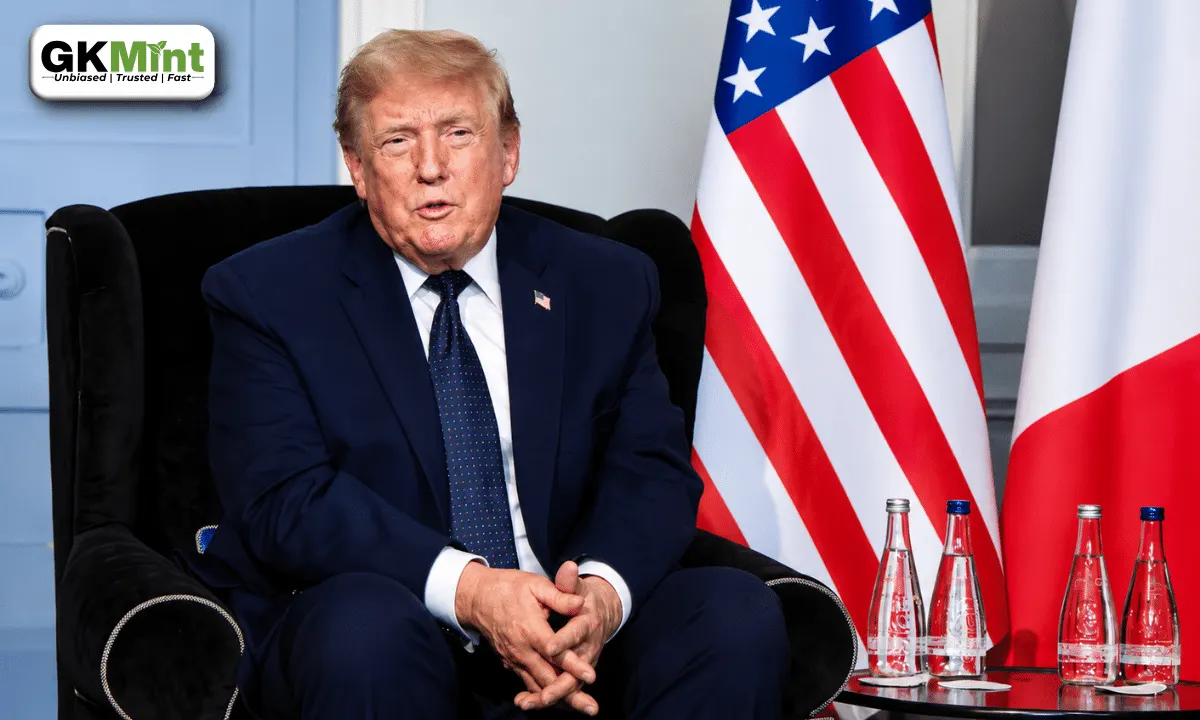
Trump Israel Relations have entered a surprising new phase following President Donald Trump’s headline-making remarks at the G7 Summit in France. Known for being one of Israel’s strongest international supporters, Trump stunned observers by combining unwavering praise for his role in protecting Israel with unusually direct criticism of Israeli military operations in Lebanon. Speaking to reporters, Trump declared that there would have been “no Israel” without his leadership and suggested that Tel Aviv would have faced devastating consequences without continued American backing. These comments instantly reignited discussions about Trump Israel Relations and the extent of Washington’s influence over Israeli policy. While supporters viewed his remarks as a reflection of America’s historic commitment to Israel’s security, critics questioned the boldness of his claims. Either way, the statements ensured that Trump Israel Relations became one of the most talked-about topics emerging from the summit. The comments also arrived at a time when the Middle East is facing significant political uncertainty, making every statement from world leaders carry greater weight. For many global observers, the latest developments signal that Trump Israel Relations are evolving from a straightforward alliance into a more complicated partnership shaped by competing military and diplomatic priorities.
The most unexpected element of Trump’s appearance was his public criticism of Israeli Prime Minister Benjamin Netanyahu and the military campaign against Hezbollah in Lebanon. While emphasizing that he still enjoys a strong relationship with Netanyahu, Trump argued that Israel must exercise greater responsibility in its operations. He pointed to the destruction of residential buildings and the impact on civilians, noting that not every person living in targeted areas is connected to Hezbollah. Such remarks marked a notable shift in tone and added a new dimension to Trump Israel Relations. For years, Trump Israel Relations were widely viewed as exceptionally close, particularly during his previous administration when major decisions favored Israeli strategic interests. However, his latest comments suggest that support does not necessarily mean unconditional approval. Trump’s recommendation that Syria should play a larger role in addressing Hezbollah further highlighted his willingness to explore alternative approaches to regional security challenges. Analysts believe these comments could place additional pressure on Netanyahu’s government as it balances military objectives with growing international scrutiny. The debate surrounding Trump Israel Relations is therefore no longer focused solely on support and cooperation but also on accountability and strategic restraint, making the relationship more complex than many expected.
Behind the public criticism lies a broader diplomatic objective that may explain Trump’s frustration. Reports indicate that the United States and Iran are moving toward an interim peace arrangement designed to extend a fragile ceasefire and reduce tensions across West Asia. Trump appears concerned that continued Israeli strikes could undermine delicate negotiations at a critical moment. This diplomatic backdrop is now central to understanding Trump Israel Relations. While Trump reportedly described Hezbollah as a persistent but limited threat, he also expressed confidence that the emerging agreement with Iran would survive despite ongoing military activity. The challenge, however, is that every new escalation risks creating uncertainty around the peace process. As a result, Trump Israel Relations are increasingly tied to broader regional diplomacy rather than bilateral cooperation alone. Observers note that Trump is attempting to balance two priorities that do not always align perfectly: maintaining strong support for Israel while simultaneously pursuing diplomatic breakthroughs that could stabilize the region. This balancing act has become one of the defining features of current Trump Israel Relations and could influence future policy decisions from both Washington and Jerusalem. The coming weeks will likely reveal whether both governments can coordinate their objectives without creating further friction.
The global implications of these developments extend far beyond the immediate conflict zones. One of the most significant potential outcomes of a successful US-Iran understanding is the reopening of the strategically important Strait of Hormuz, a vital route for global energy shipments and international trade. Any improvement in regional stability could help reduce economic uncertainty and restore confidence in critical supply chains. This broader context helps explain why Trump Israel Relations are attracting worldwide attention. Investors, governments, and businesses are closely monitoring events because decisions made by Washington and Jerusalem could affect energy prices, shipping routes, and geopolitical stability across multiple continents. Trump’s remarks at the G7 therefore represent more than a diplomatic disagreement; they reflect a larger struggle to define the future direction of West Asia. As Trump seeks to secure a diplomatic legacy while preserving America’s alliance with Israel, Netanyahu faces increasing pressure to adapt military strategies to changing political realities. Whether these differences ultimately strengthen or strain Trump Israel Relations remains uncertain, but one thing is clear: the relationship is entering a new and highly consequential chapter that could shape regional politics, economic stability, and international diplomacy for years to come.
Also Read: Indian Air Force An-32 Crash in Assam: Five Brave Airmen Lose Their Lives in a Heartbreaking Tragedy