State Road Constructions: Key city roads may come under the Highways Department as Chennai plans integrated infrastructure, safer streets and improved public transport facilities.
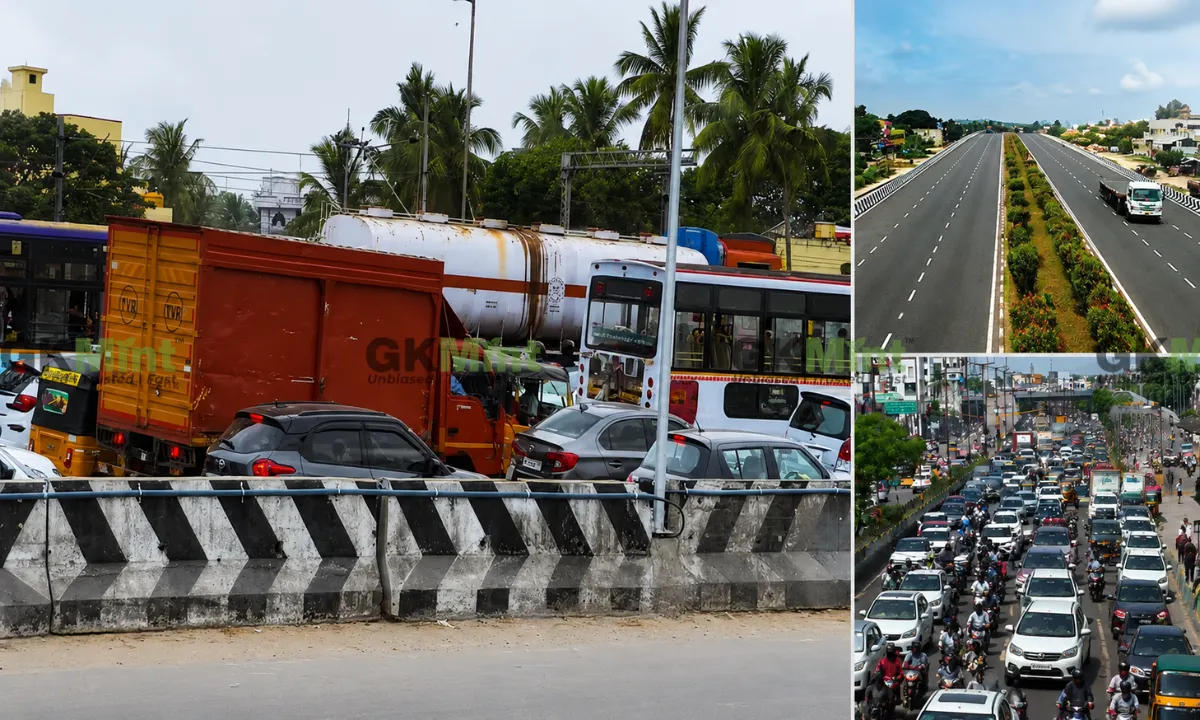
Chennai is preparing for a broader approach to road infrastructure management, with plans to bring selected major city roads under the Highways Department. The proposed changes are aimed at improving maintenance, coordinating utility works and upgrading facilities for pedestrians, cyclists and public transport users. The move forms part of wider state road constructions and infrastructure improvement efforts in the city.
The Greater Chennai Corporation currently maintains 471 bus route roads covering about 387 km. These roads form a significant part of Chennai’s public transport network and include several important arterial routes. Under the proposed arrangement, roads such as Anna Nagar’s 2nd and 3rd Avenues, Sivananda Road, Venkatanarayana Road, Valluvar Kottam High Road and Velachery Main Road are among those identified for attention.
One of the key issues being addressed is the repeated excavation of roads for different infrastructure requirements. Road repairs, stormwater drainage, sewage works and utility-related activities are often handled through separate processes. The proposed integrated approach is intended to coordinate these activities so that completed roads do not have to be repeatedly opened for subsequent works. The plan reportedly includes a target of completing such coordinated works within 30 days.

The proposed state road constructions also place greater emphasis on the overall design of urban streets rather than road resurfacing alone. Plans referenced in the material include better pedestrian infrastructure, dedicated cycling facilities, green corridors, improved bus stops and organised parking. Chennai has already been pursuing complete-street projects that incorporate wider footpaths, cycling infrastructure and pedestrian-friendly connections with transit corridors.
Public transport is another major component of the proposed improvements. On heavily congested routes, dedicated lanes for buses are being considered to improve the movement of public transport. Better street lighting, safer pedestrian facilities and improved links with the Metro network are also expected to form part of the broader infrastructure strategy. These measures could particularly benefit pedestrians, senior citizens, children and other vulnerable road users. The focus is also extending to the Outer Ring Road-related network and Rajiv Gandhi Salai (OMR). Existing government infrastructure plans for OMR include major widening and junction improvement projects, while current urban planning initiatives in Chennai have separately proposed walking and cycling infrastructure and improved public corridors.
For residents, the significance of these state road constructions will depend largely on implementation, coordination between agencies and the quality of maintenance after completion. Moving multiple infrastructure activities into a coordinated framework could reduce disruption caused by repeated road cuts. If implemented as planned, the programme could contribute to safer streets, more reliable public transport movement and better-connected urban infrastructure across Chennai.
Official Website: Tamil Nadu Highways department