A Heated Political Exchange Draws Public Attention
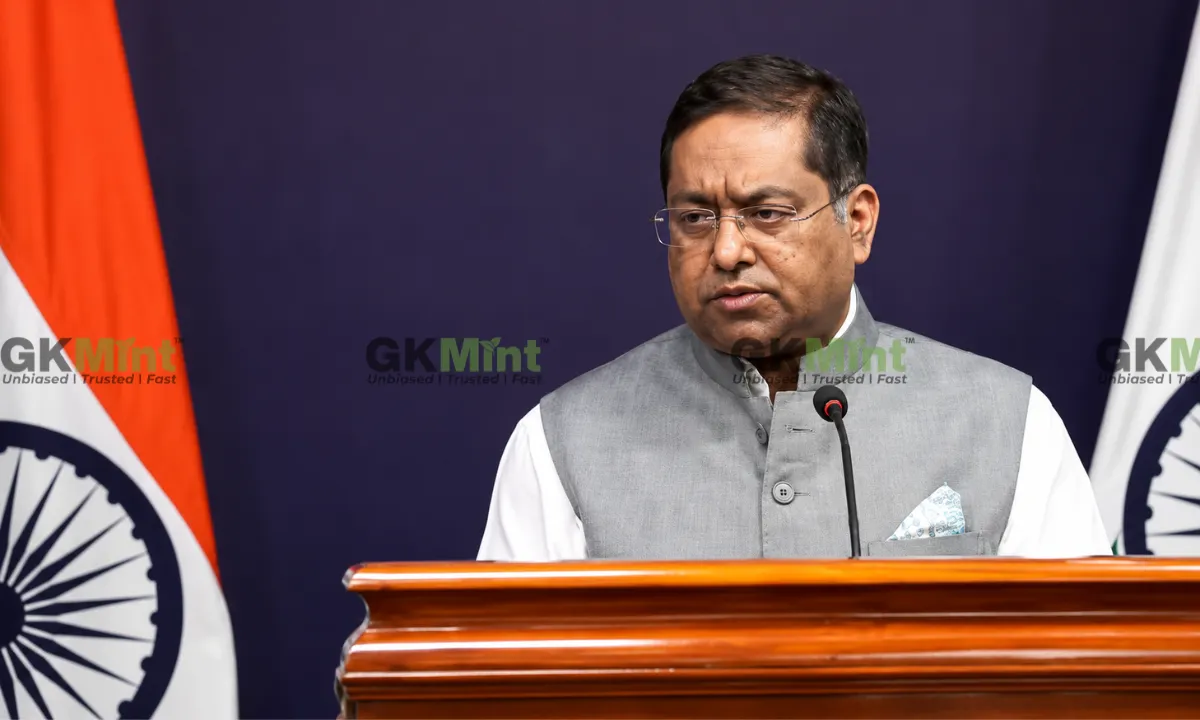
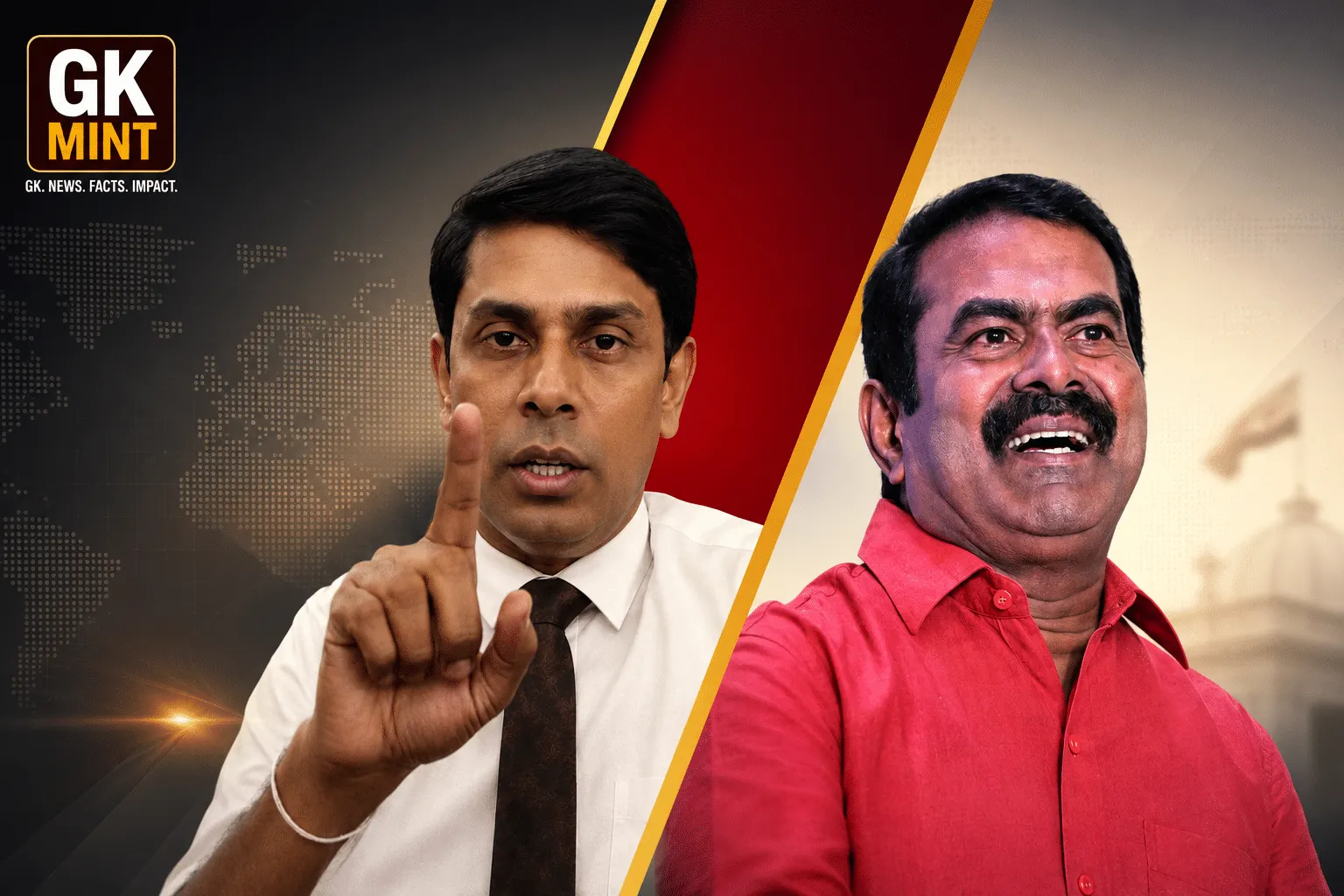
Tamil politics once again witnessed a major wave of controversy after remarks made by a Sri Lankan Member of Parliament regarding Naam Tamilar Katchi (NTK) chief Seeman triggered widespread discussions across social media and political circles. The issue gained momentum after Sri Lankan MP Ramanathan Archchuna allegedly stated that Seeman frequently speaks about the Eelam issue mainly during election periods to attract votes from Tamil audiences.
The statement immediately sparked reactions from supporters, critics, and neutral political observers alike. While Seeman’s supporters strongly defended his long-standing commitment toward Sri Lankan Tamils and the Eelam cause, critics argued that emotional political narratives are often revived during elections for political mileage.
The debate has now become one of the most discussed political topics among Tamil-speaking communities both in India and Sri Lanka.
What Did the Sri Lankan MP Say?
According to reports circulating online, Sri Lankan MP Ramanathan Archchuna questioned Seeman’s repeated focus on the Eelam issue during election campaigns in Tamil Nadu. He reportedly claimed that the issue is often used emotionally to gain support among Tamil voters.
The remarks gained viral traction after clips and translated statements began spreading widely across social media platforms. Many users started debating whether political parties in Tamil Nadu genuinely address the concerns of Sri Lankan Tamils or simply use the issue strategically during elections.
The statement also reignited old political discussions regarding the role of Tamil Nadu leaders in speaking about Sri Lankan Tamil rights, refugee concerns, and post-war justice.
Seeman’s Political Identity and the Eelam Issue
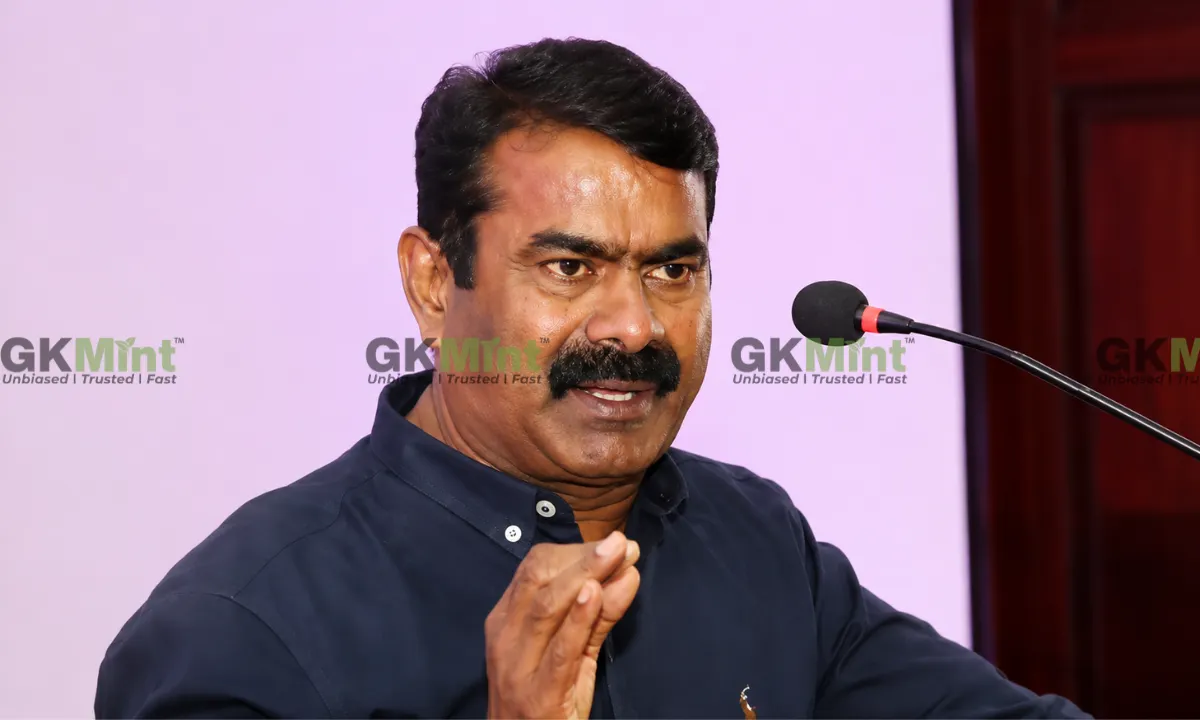
For many years, Seeman has strongly associated himself with the Tamil nationalist movement. His speeches often include references to the Sri Lankan civil war, Tamil identity, and the suffering faced by Tamils during the conflict.
The NTK leader has consistently positioned himself as a voice for global Tamils and has repeatedly demanded justice for Sri Lankan Tamils affected during the final stages of the civil war.
Supporters believe that Seeman has remained consistent in his ideological position even when mainstream parties avoided discussing sensitive international Tamil issues openly. They argue that his activism predates electoral politics and reflects genuine commitment.
However, critics claim that emotional issues related to Eelam are strategically highlighted during election periods to create strong emotional engagement among young voters.
This ongoing disagreement has once again become central to public debate following the recent remarks from Sri Lanka.
Social Media Reacts Strongly
As expected, the issue exploded across social media platforms almost immediately.
Supporters of Seeman began posting old speeches, interviews, and protest footage to defend his political credibility. Several hashtags supporting NTK and Tamil nationalism started trending among certain online communities.
At the same time, critics questioned whether emotional political narratives are helping solve practical problems faced by Tamil people today, including unemployment, economic growth, education, and governance.
Political meme pages, YouTube commentators, and digital news pages further amplified the issue by posting edited clips, debates, and reaction videos.
Interestingly, the discussion extended beyond Tamil Nadu politics and entered broader conversations about diaspora politics, identity-based campaigning, and emotional political communication.
Why the Eelam Issue Still Resonates in Tamil Nadu
Even decades after the end of the Sri Lankan civil war, the Eelam issue continues to remain emotionally significant among many Tamils in Tamil Nadu.
The civil war left deep emotional scars among Tamil communities worldwide. Images, stories, and memories associated with the war still influence public opinion and political identity.
Several political parties and activists in Tamil Nadu continue to speak about:
- Justice for war victims
- Rights of Sri Lankan Tamils
- Refugee rehabilitation
- Cultural identity preservation
- International accountability
For many people, the issue is not simply political—it is emotional and identity-driven.
This is one reason why discussions surrounding Eelam continue to attract major public attention even years after the conflict officially ended.
Political Timing Raises Questions
One major reason the recent comments created controversy is because of timing.
Political observers noted that the issue resurfaced during a period when political discussions and public debates are already intensifying ahead of future electoral developments in Tamil Nadu.
Critics often argue that sensitive emotional issues receive greater attention during politically active periods because they generate engagement, polarization, and strong voter reactions.
On the other hand, supporters reject this criticism entirely and claim that raising awareness about Tamil issues should never be dismissed as political opportunism.
This difference in perspective continues to divide public opinion.
The Role of Media and Digital Politics
Modern political debates are increasingly shaped by digital platforms.
Short video clips, Instagram posts, YouTube debates, and viral memes now influence public perception faster than traditional television debates.
The recent Seeman controversy is another example of how quickly a political statement can spread online and dominate public conversation within hours.
Digital news pages and independent media creators played a major role in amplifying the discussion. Political content creators on YouTube and Instagram began analyzing every statement connected to the controversy.
This rapid online circulation has transformed modern politics into a continuous digital battleground where perception often spreads faster than verified context.
Different Public Reactions
Public reaction to the issue appears deeply divided.
Supporters of Seeman Believe:
- He has consistently supported Tamil causes.
- His political ideology is rooted in Tamil nationalism.
- Criticism against him is politically motivated.
- Speaking about Eelam is a moral responsibility.
Critics Believe:
- Emotional politics is repeatedly used during elections.
- Practical governance issues deserve more focus.
- Identity politics may not provide long-term solutions.
- Political speeches alone do not improve people’s lives.
This polarization reflects broader ideological divisions within Tamil politics itself.
Tamil Nationalism and Electoral Politics
Tamil nationalism has always played an influential role in Tamil Nadu politics.
From language rights movements to cultural identity campaigns, emotional political narratives have historically shaped voter behavior in the state.
Political analysts believe that identity-based politics remains highly influential because it creates emotional connection and strong loyalty among supporters.
Seeman’s political style particularly appeals to sections of younger voters who connect strongly with cultural pride, direct speech, and nationalist rhetoric.
However, critics argue that electoral success ultimately depends on governance credibility, economic development, and administrative capabilities.
This tension between ideological politics and governance-focused politics continues to define political competition in Tamil Nadu.
Can This Controversy Impact Future Politics?
While it is too early to predict direct electoral consequences, controversies like this often influence online political narratives.
In today’s digital environment, political perception matters significantly. Viral discussions can shape public opinion, strengthen supporter bases, and attract undecided audiences.
The controversy may also encourage more debates regarding:
- Tamil identity politics
- Cross-border Tamil issues
- Political accountability
- Election-focused rhetoric
- Role of emotional narratives in campaigns
Political observers believe that such discussions will continue to intensify as future elections approach.
Conclusion
The latest controversy involving Seeman and the Sri Lankan MP has once again brought the Eelam issue back into mainstream political conversation.
For supporters, the issue represents an important humanitarian and identity-based concern that deserves continued attention. For critics, it raises questions about political timing and emotional campaign strategies.
Regardless of political opinion, one thing is clear: the debate has successfully captured public attention and reignited conversations about Tamil identity, political messaging, and electoral narratives.
As social media continues to shape modern politics, controversies like these are likely to become even more influential in determining public discourse.
Whether this debate fades quickly or evolves into a larger political movement remains to be seen. But for now, the discussion surrounding Seeman, Tamil nationalism, and the Eelam issue continues to dominate headlines and online conversations.
GK_MINT
GK. NEWS. FACTS. IMPACT.