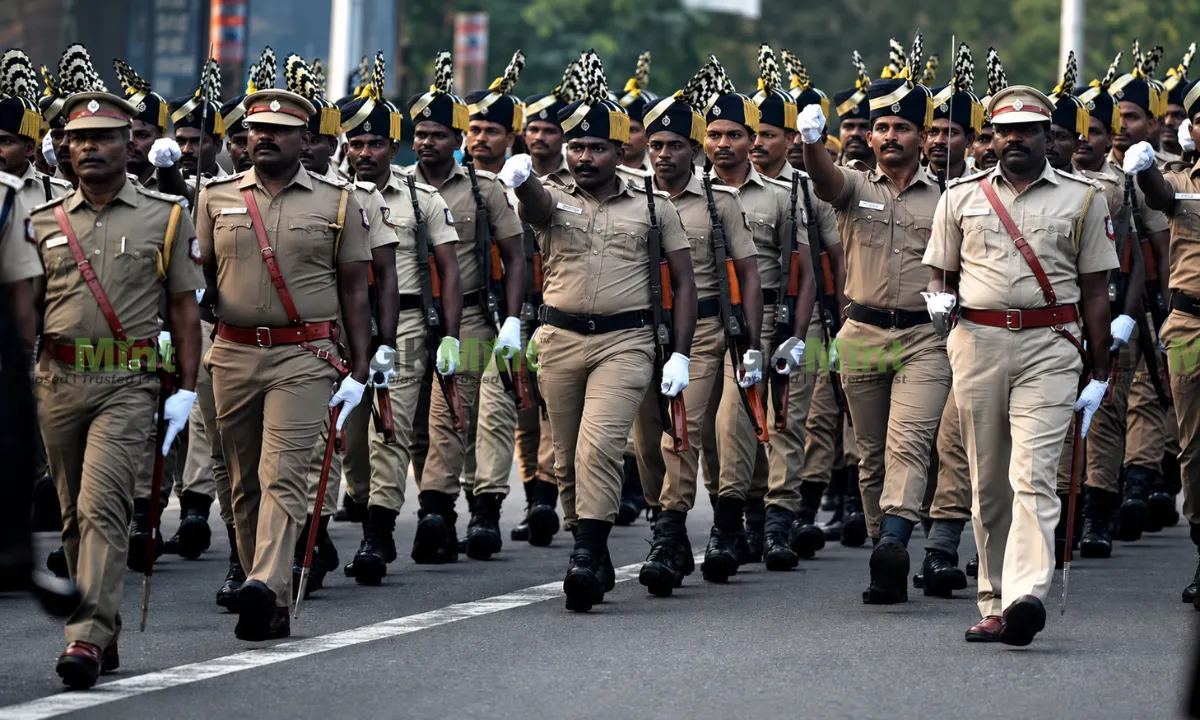
Recently, the central cabinet approved the terms of reference of the 8th Pay Commission. The Pay Commission is constituted every 10 years. The salary structure has been revised to help government employees fight inflation. According to the latest news received from the 8th Pay Commission, the new pay commission will come into effect from the 1st January 2026.
What is the Pay Commission?
Pay Commission is a tool to revise the salary structure of the Government Employees according to rising inflation. Salary of the Government employees depends on the components like Basic Pay, Dearness Allowance, House Rent Allowance, Transport Allowance, etc. Salary hike depends on the Fitment factor (Multiplier used to calculate revised Basic Pay). The Pay Commission basically modifies the Basic Pay of the Employees.
8th Pay Commission Fitment Factor Example
Fitment Factor proposed during 7th Pay Commission = 2.57
The Basic Pay before the 7th Pay Commission was Rs.7000
So, after the 7th Pay Commission, the basic pay became approximately Rs.18000
Let’s say, if the fitment factor proposed by the 8th Pay Commission is 2.47
Basic Salary = Rs.18000 * 2.47 = Rs.44,460
DA = 0
HRA (30%) = Rs.13,338
Total = Rs.44,460 + 0 + Rs.13,338 = Rs.57798
So, the salary of a Class D employee shall be Rs 57,798.
Several Ministries, such as Defence, Home, Railways, Communications and Department of Personnel and Training, are part of the process. They have a huge number of employees in the Central government machinery.
• EPFO Withdrawals and the Retirement Crisis
• Kerala Declared Extreme Poverty Free – 2025 Initiative
History of Pay Commissions in India
The first Pay Commission in India was constituted in 1946 under the chairmanship of Srinivasa Varadacharia. The first pay commission was based on the idea of “living wages”. The Minimum Salary proposed was Rs 55/month, and the maximum salary was Rs 2000/month.
Timeline of Pay Commissions
- 1st Pay Commission (May 1946 – May 1947)
- 2nd Pay Commission (August 1957 – August 1959)
- 3rd Pay Commission (April 1970 – March 1973)
- 4th Pay Commission (September 1983 – December 1986)
- 5th Pay Commission (April 1994 – January 1997)
- 6th Pay Commission (October 2006 – March 2008)
- 7th Pay Commission (February 2014 – November 2016)
- 8th Pay Commission (Announced on January 16, 2025)
Structure of Pay Commission
- One Chairperson
- One part-time member
- One member secretary
Who Heads the 8th Pay Commission?
Accordingly, the 8th Pay Commission is headed by Justice Ranjana Prakash Desai (Chairperson), Pulak Ghosh – IIM Bangalore Professor ( Part-time member) and Pankaj Jain – Petroleum Secretary (Member Secretary).
Considerations taken by the Commission
- The economic conditions in the country and the need for fiscal prudence.
- The need to ensure that adequate resources are available for developmental expenditure and welfare measures.
- The unfunded cost of non-contributory pension schemes.
- The likely impact of the recommendations on the finances of the State Governments, which usually adopt the recommendations with some modifications, and
- The prevailing emolument structure, benefits and working conditions available to employees of Central Public Sector Undertakings and the private sector.
Key Takeaways
The Government has announced the formation of the 8th Pay Commission in January 2025. Now, the cabinet has approved the Terms of Reference of the Pay Commission. Hence, the constituted Pay Commission is required to submit the recommendations within 18 months, i.e., by April 2027. However, the 8th Pay Commission will come into force on 01 January 2026. The arrears will be calculated from this date and will be paid to the employees accordingly.
Frequently Asked Questions (FAQs)
How much salary will increase in 8th pay?
If the fitment factor is 2.47, then the basic salary will be around Rs.44,000 as calculated above in this post. That is a 144% increase from the current basic pay. However, fitment factor is the deciding factor for the rise in salary.
Is the 8th Pay Commission possible?
Absolutely, the Pay Commission is regularly constituted at an interval of 10 years from the previous pay commission. According to the reports, the 8th Pay Commission will take effect from 01 January 2026. However, the commission may submit the report by April 2027. Arrears to the employees will be calculated from January 2026 and paid once the report is submitted and the Central Ministry accepts the proposal of the commission.
Will DA be zero after 8th Pay Commission?
Yes, after each Pay commission, the DA will start from 0%.
When will the 8th Pay Commission come into effect?
8th Pay Commission will come into effect from January 2026.